
Why Authority Submissions Get Rejected in Singapore (And How to Avoid Delays)
In Singapore, authority submissions are a critical part of any building project.
However, many projects experience delays not because construction failed —but because submissions were rejected earlier in the process.
Whether it involves:
Building and Construction Authority (BCA)
Singapore Civil Defence Force (SCDF)
Public Utilities Board (PUB)
Urban Redevelopment Authority (URA)
submission issues can lead to:
redesign work
project delays
additional costs
coordination problems
In many cases, the root cause is not the submission itself — but the lack of proper planning and coordination behind it.

What causes authority submissions to get rejected?
The most common reasons include:
incomplete coordination between systems
non-compliance with regulations
insufficient technical documentation
late-stage design changes
Most submission problems begin during the planning and design stage.
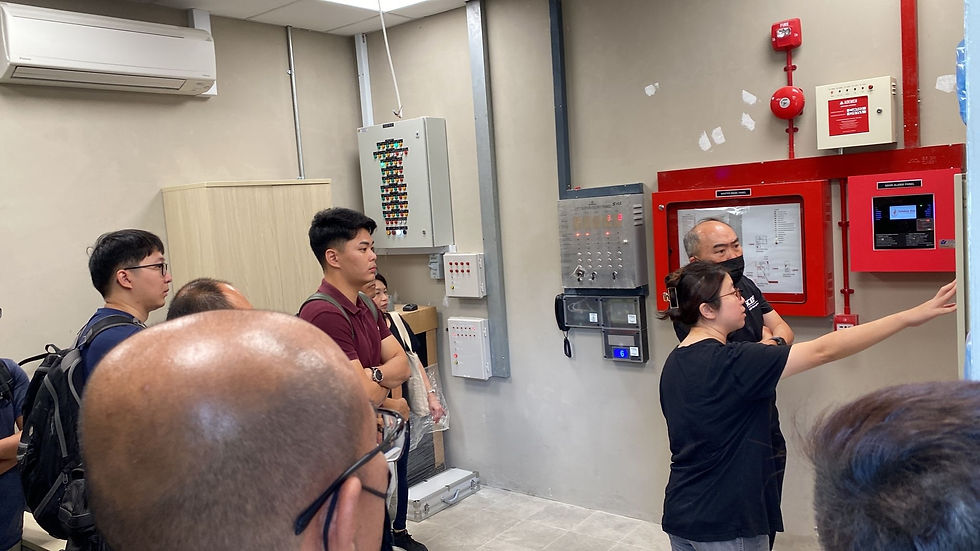
1. Incomplete Coordination Between Disciplines
One of the most common reasons for rejection is poor coordination between:
architectural
structural
M&E systems
For example:
insufficient ceiling space for services
clashes between ducts, pipes, and beams
inaccessible maintenance routes
When systems are not coordinated properly, submissions often require revision before approval.
2. Non-Compliance with Authority Requirements
Singapore has strict regulatory requirements across different agencies.
Common issues include:
inadequate fire safety provisions
insufficient ventilation requirements
non-compliant sanitary layouts
incorrect system sizing or calculations
Each authority has specific expectations, and missing even small details can result in rejection.
3. Late Design Changes During Submission Stage
Many projects attempt to modify layouts or systems after submissions have already started.
This often creates:
inconsistencies between drawings
outdated documentation
coordination gaps
Late changes increase the likelihood of rejection and delay.
4. Insufficient Technical Documentation
A submission is not just about drawings.
Authorities often review:
calculations
equipment schedules
technical specifications
compliance forms
Missing or unclear documentation can slow down the approval process significantly.
5. Treating Submission as an Administrative Process
One of the biggest misconceptions is assuming authority submission is simply “paperwork.”
In reality, submission approval depends heavily on:
engineering coordination
system performance
code compliance
constructability
Successful submissions begin with proper technical planning.

Why Early Coordination Matters
Many submission problems can be avoided when:
coordination starts early
systems are planned together
constraints are identified upfront
This helps reduce:
redesign work
approval delays
site conflicts during construction

FAQ
Why do BCA or SCDF submissions get rejected?
Common reasons include non-compliance, incomplete coordination, and missing technical documentation.
How can submission delays be reduced?
Early planning, proper coordination, and accurate technical documentation help improve approval success.
Are authority submissions only about drawings?
No. Authorities also review calculations, specifications, compliance requirements, and system coordination.

Summary
Authority submissions in Singapore are often rejected due to:
poor coordination
regulatory non-compliance
late-stage changes
insufficient documentation
Proper planning and integrated M&E coordination play a critical role in achieving smoother approvals.
Planning a Project in Singapore?
At Conceptial, we support:
M&E design and coordination
authority submissions (BCA, SCDF, PUB)
regulator-ready technical documentation
👉 Speak to us early to avoid costly delays and redesign later:https://www.conceptial-sg.com/
Learn more about MEP Consultant Singapore and how early engineering planning can reduce project risks.

Comments