
Fire Certificate Renewal Singapore: 5 Common Issues Found During an Inspection
What Is Fire Certificate Renewal Singapore?
Fire Certificate Renewal is more than a regulatory requirement. During the inspection process, various fire protection systems are checked to help verify that they remain operational and ready to perform during an emergency.
Identifying potential issues early can help building owners plan rectification works, minimise delays and support a smoother renewal process.
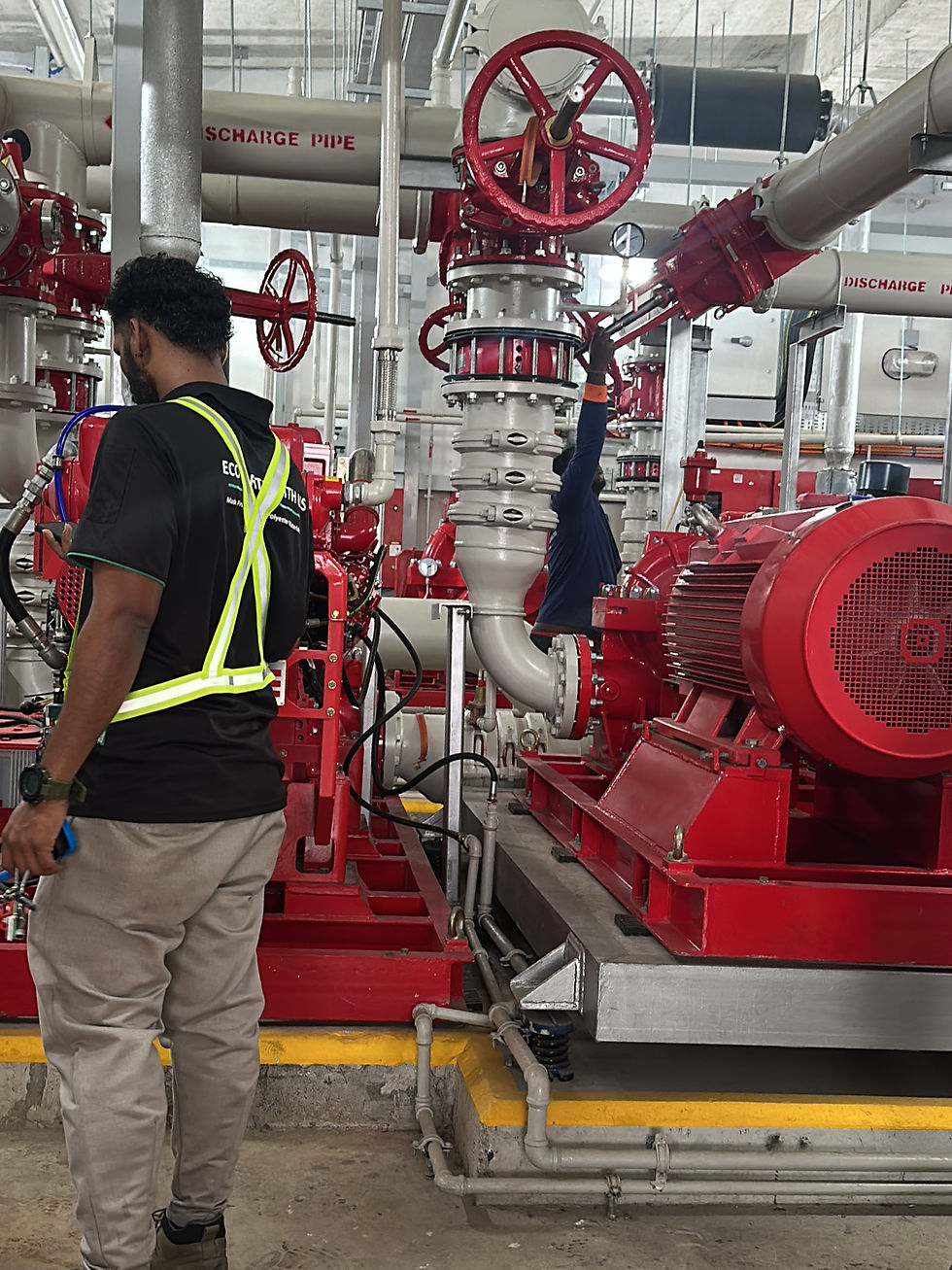
1. Fire Pump Performance Issues
The fire pump is one of the most critical components of a building's fire protection system.
During a Fire Certificate Renewal inspection, engineers may verify whether the fire pump operates correctly and responds as intended.
Common issues may include:
Failure to start automatically
Abnormal operating conditions
Mechanical wear
Lack of regular maintenance
Even a small fault may affect the overall performance of the fire protection system.
2. Insufficient Water Pressure or Flow
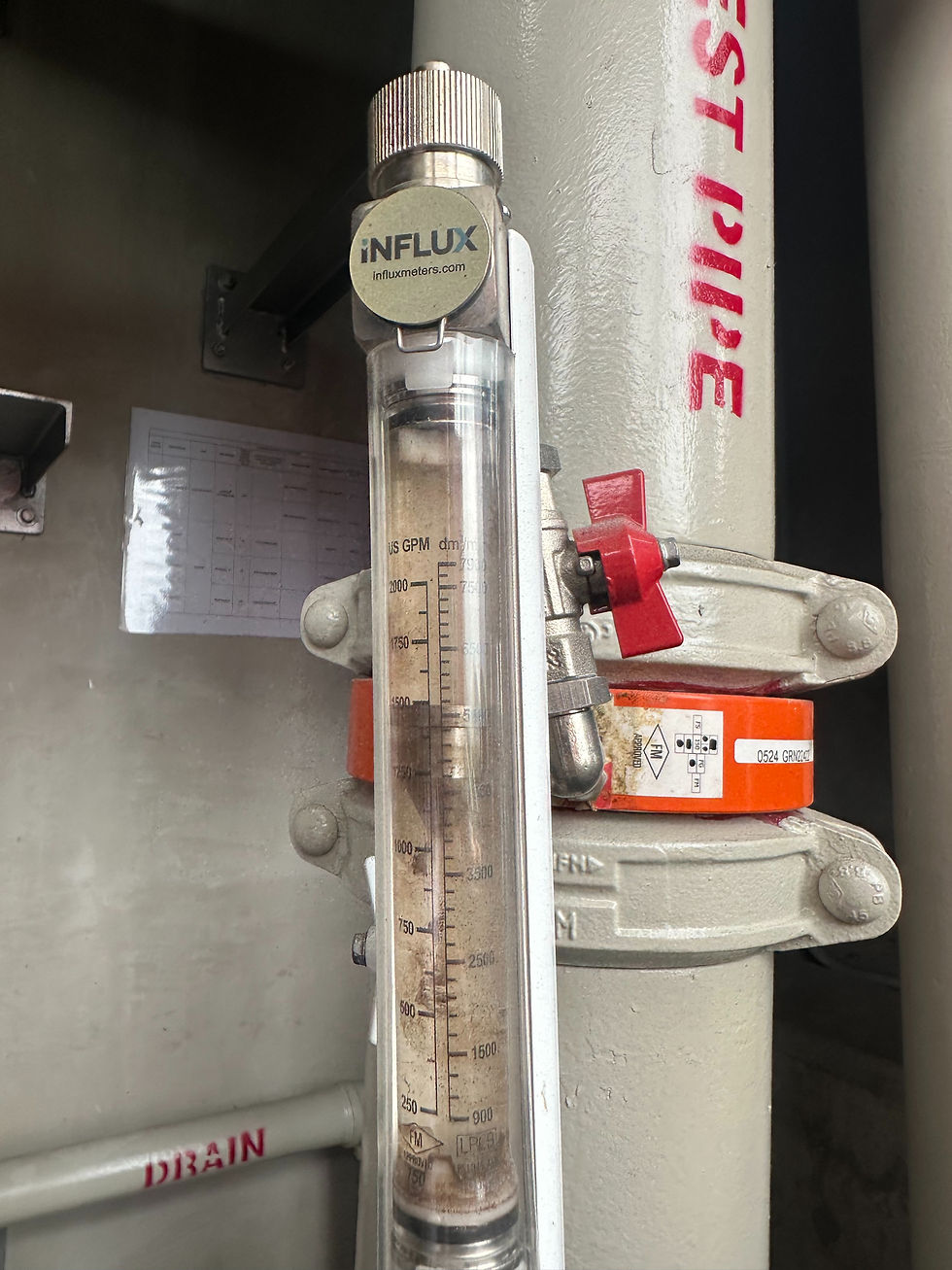
A fire protection system requires both adequate water pressure and sufficient water flow to perform effectively.
During inspections, engineers may verify that the system is capable of delivering the required performance.
Potential issues may include:
Low system pressure
Flow below design expectations
Valve problems
Pump performance deterioration
Early testing allows these issues to be identified before they become critical.
3. Smoke Control System Not Performing Properly
For buildings equipped with smoke control systems, functional testing forms an important part of the inspection.
Typical checks may include:
Smoke exhaust operation
Staircase pressurisation
Mechanical ventilation performance
Airflow verification
These systems help maintain safer escape routes by managing smoke movement during a fire.

4. Fire Protection Components Requiring Maintenance
Over time, fire protection equipment may deteriorate if maintenance is not carried out regularly.
Inspection may identify issues such as:
Corroded fittings
Damaged valves
Obstructed access
Poor equipment condition
Routine maintenance helps improve system reliability and supports smoother renewal inspections.

5. Poor Coordination Between Fire Protection Systems
A building's fire protection systems do not operate independently.
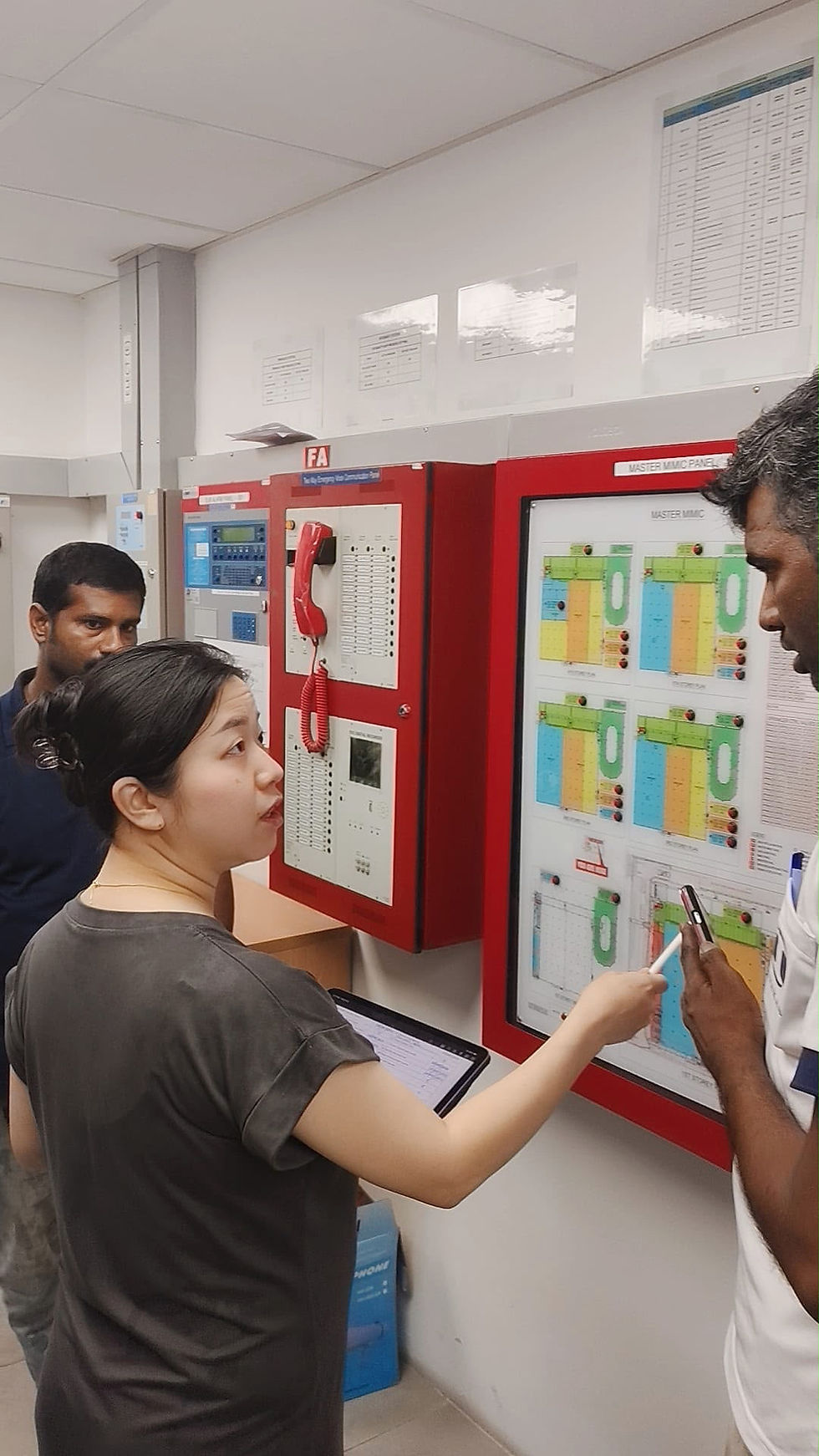
Fire alarms, fire pumps, smoke control systems and other mechanical services often need to work together during an emergency.
Functional testing helps verify that these systems respond correctly as an integrated fire protection system.

Why Early Fire Certificate Renewal Planning Matters in Singapore?
Many issues identified during a Fire Certificate Renewal inspection can be rectified if they are discovered early.
Planning inspections ahead of the renewal period may help building owners:
Reduce unexpected rectification works
Minimise renewal delays
Improve system reliability
Maintain regulatory compliance
Fire Certificate Renewal should not be viewed simply as renewing a certificate.
It is an opportunity to verify that critical fire protection systems remain operational and ready to perform when they are needed most.
By identifying potential issues early and carrying out timely maintenance, building owners can help support both compliance and the continued safety of their buildings.
Frequently Asked Questions(FAQ)
1. What is a Fire Certificate Renewal?
A Fire Certificate Renewal is the process of renewing the Fire Certificate for buildings that are required to maintain one under Singapore's fire safety regulations. Before renewal, inspections and functional testing are typically carried out to help verify that the building's fire protection systems remain operational and ready to perform when required.
2. Which buildings require a Fire Certificate in Singapore?
Certain commercial, industrial and institutional buildings are required to maintain a valid Fire Certificate under Singapore regulations. The specific requirement depends on the building type, occupancy and applicable fire safety requirements.
If you are unsure whether your building requires a Fire Certificate, an M&E consultant can help review your building's compliance requirements.
3. What systems are typically checked during a Fire Certificate Renewal inspection?
The inspection scope depends on the building and installed fire protection systems. Typical inspection activities may include:
Fire pump operation
Water pressure verification
Water flow verification
Fire alarm system checks
Smoke control system testing
Staircase pressurisation system testing
Functional testing of fire protection systems
4. What are the most common issues identified during a Fire Certificate Renewal inspection?
Some commonly identified issues may include:
Fire pump operational issues
Low water pressure or insufficient flow
Smoke control system faults
Fire protection equipment requiring maintenance
System coordination issues between fire protection systems
Early inspection helps identify these issues before the renewal process.
5. What happens if defects are found during the inspection?
If deficiencies are identified, rectification works are typically carried out before the Fire Certificate Renewal process proceeds. The required rectification will depend on the type and severity of the issue identified during the inspection.
Early inspections provide building owners with more time to plan and complete any necessary rectification works.
6. Why is early Fire Certificate Renewal planning important?
Planning ahead allows sufficient time for inspections, testing and any required rectification works before the certificate expires.
Early planning may help reduce project delays, minimise disruption to building operations and support a smoother renewal process.
7. Can an M&E consultant assist with Fire Certificate Renewal?
Yes.
An experienced M&E consultant can support building owners by coordinating inspections, reviewing fire protection systems, identifying potential issues, working with relevant stakeholders and assisting throughout the Fire Certificate Renewal process.
8. How often should fire protection systems be inspected?
Fire protection systems should be inspected and maintained in accordance with the applicable Singapore regulations, relevant standards and the manufacturer's recommendations. Regular inspection and preventive maintenance help ensure that the systems remain operational and ready to perform when required.
Need Professional M&E Support?
Whether you are preparing for a Fire Certificate Renewal, planning rectification works or managing fire protection systems, engaging an experienced MEP consultant can help streamline the process and identify potential issues early.


Comments