
Top 3 Hidden Fire Hazards in Commercial Kitchens (Singapore Guide for Restaurant Owners)

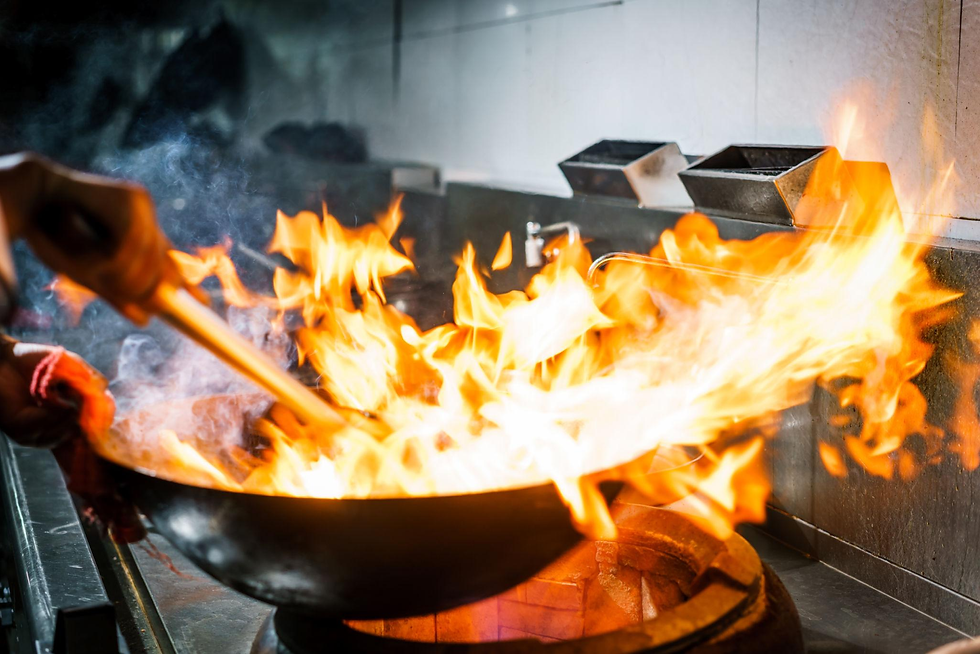
A typical commercial kitchen setup in Singapore, where fire risks are often underestimated during daily operations.
Introduction
Fire safety is a critical concern in any commercial kitchen.
Most restaurant owners focus on visible risks such as open flames, cooking equipment, and gas supply. However, the most dangerous hazards are often hidden within the system itself.
In Singapore, many kitchen fire incidents are linked to:
grease accumulation in exhaust systems
inadequate fire protection
poor coordination between building services
These issues are not always obvious during daily operations — but when they occur, the consequences can be severe.
What are the main fire risks in commercial kitchens?
The most common fire risks in commercial kitchens include:
grease buildup inside exhaust ducts
lack of proper fire suppression systems
poor coordination between exhaust and fire protection systems
These risks are often hidden and typically originate from design and system integration issues.
1. Grease Accumulation Inside Exhaust Ducts
Grease build-up within kitchen exhaust systems is one of the most common and high-risk fire hazards.
During daily operations:
oil vapour rises from cooking processes
grease deposits accumulate along duct surfaces
layers build up over time without direct visibility
Grease is highly flammable. Once ignited, fire can spread rapidly through the ductwork, potentially affecting areas beyond the kitchen.
Indicators to look out for:
strong oily odour in exhaust areas
reduced airflow or extraction performance
visible grease residue near hood openings
If grease is visible externally, there is typically a greater accumulation within the duct system.
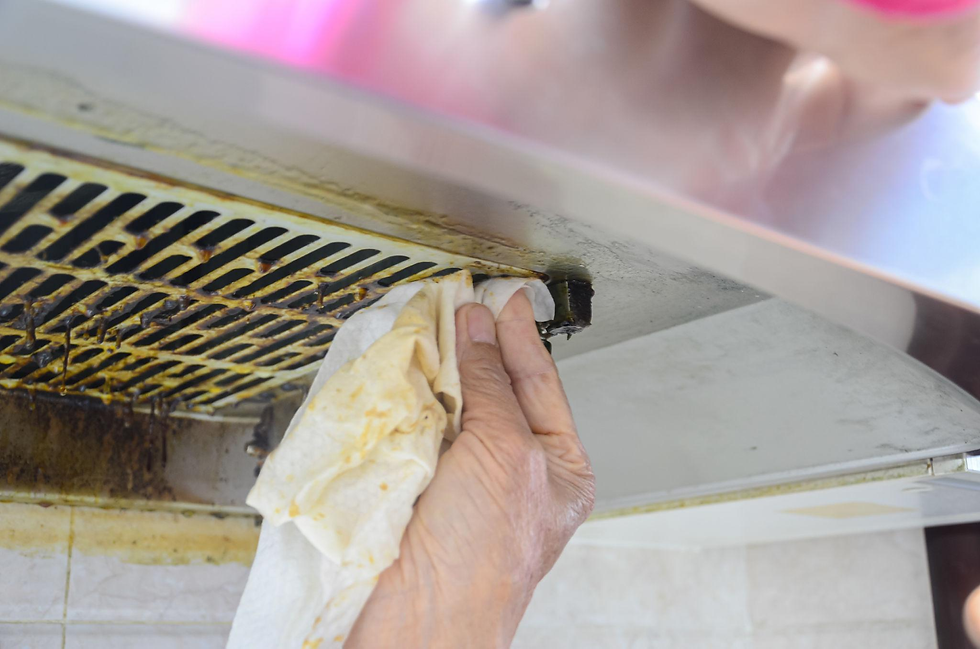
Grease accumulation inside kitchen exhaust ducts — one of the most common hidden fire hazards in commercial kitchens.
2. Inadequate or Poorly Maintained Fire Suppression Systems
Fire suppression systems are a key line of defence in commercial kitchens. However, issues often arise when systems are missing, improperly installed, or not regularly maintained.
Grease fires differ from conventional fires:
they escalate quickly
water-based suppression is ineffective
manual response may be insufficient
A properly designed kitchen fire suppression system should:
detect heat or flame conditions automatically
activate without delay
discharge appropriate extinguishing agents
Indicators to look out for:
absence of suppression nozzles above cooking equipment
lack of maintenance records or servicing
systems not integrated with the exhaust hood

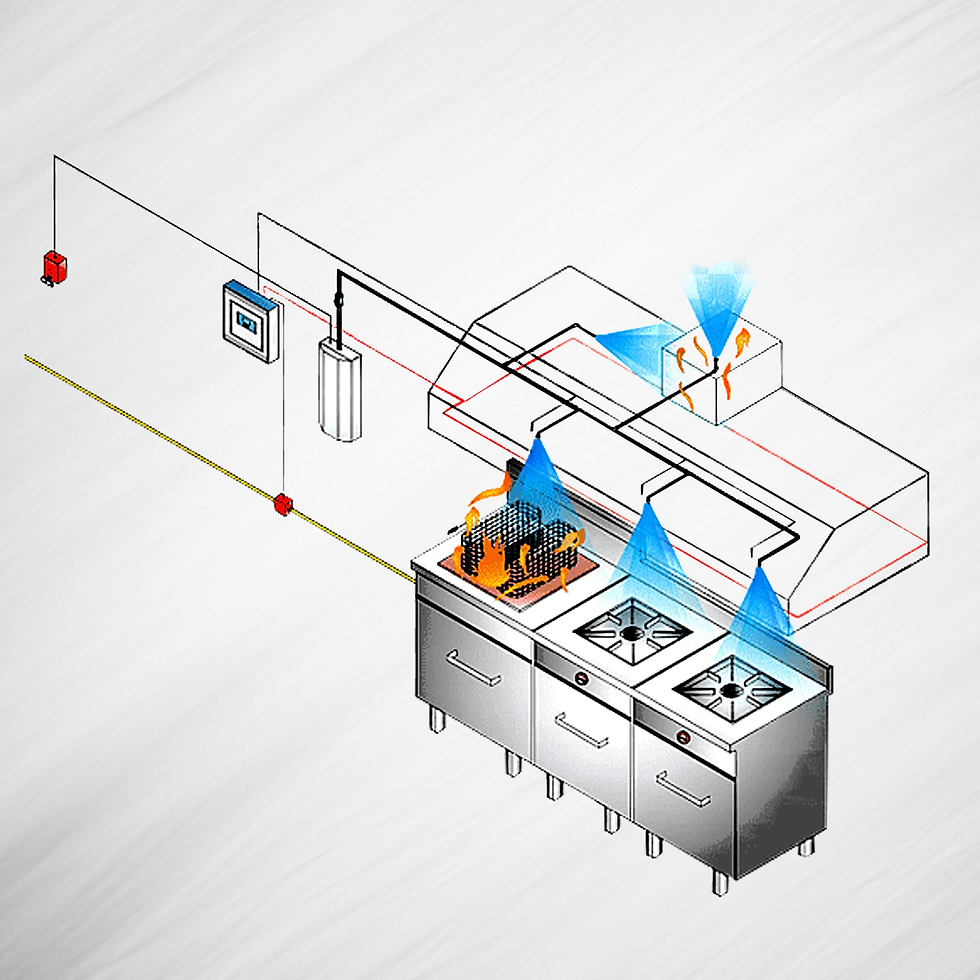
Kitchen fire suppression system installed above cooking equipment to detect and control fires at an early stage.
3. Poor Coordination Between Exhaust and Fire Protection Systems
In many projects, kitchen exhaust systems and fire protection systems are designed independently.
This can result in:
incomplete coverage of fire risk areas
gaps in suppression protection
reduced effectiveness during actual fire scenarios
Fire safety in commercial kitchens depends not only on individual systems, but on how well they are coordinated.
Indicators to look out for:
inconsistent system layouts
late-stage design changes
lack of integration between mechanical and fire systems

Poor coordination between M&E systems can lead to gaps in fire protection and reduced effectiveness during emergencies.
Why These Risks Are Often Overlooked
These hazards are frequently missed because they are not immediately visible during daily operations.
In many cases:
risks develop gradually over time
system design limitations are not apparent
issues only become evident during failure or inspection
Importantly, many of these problems originate during the design and planning stage — rather than during operation.

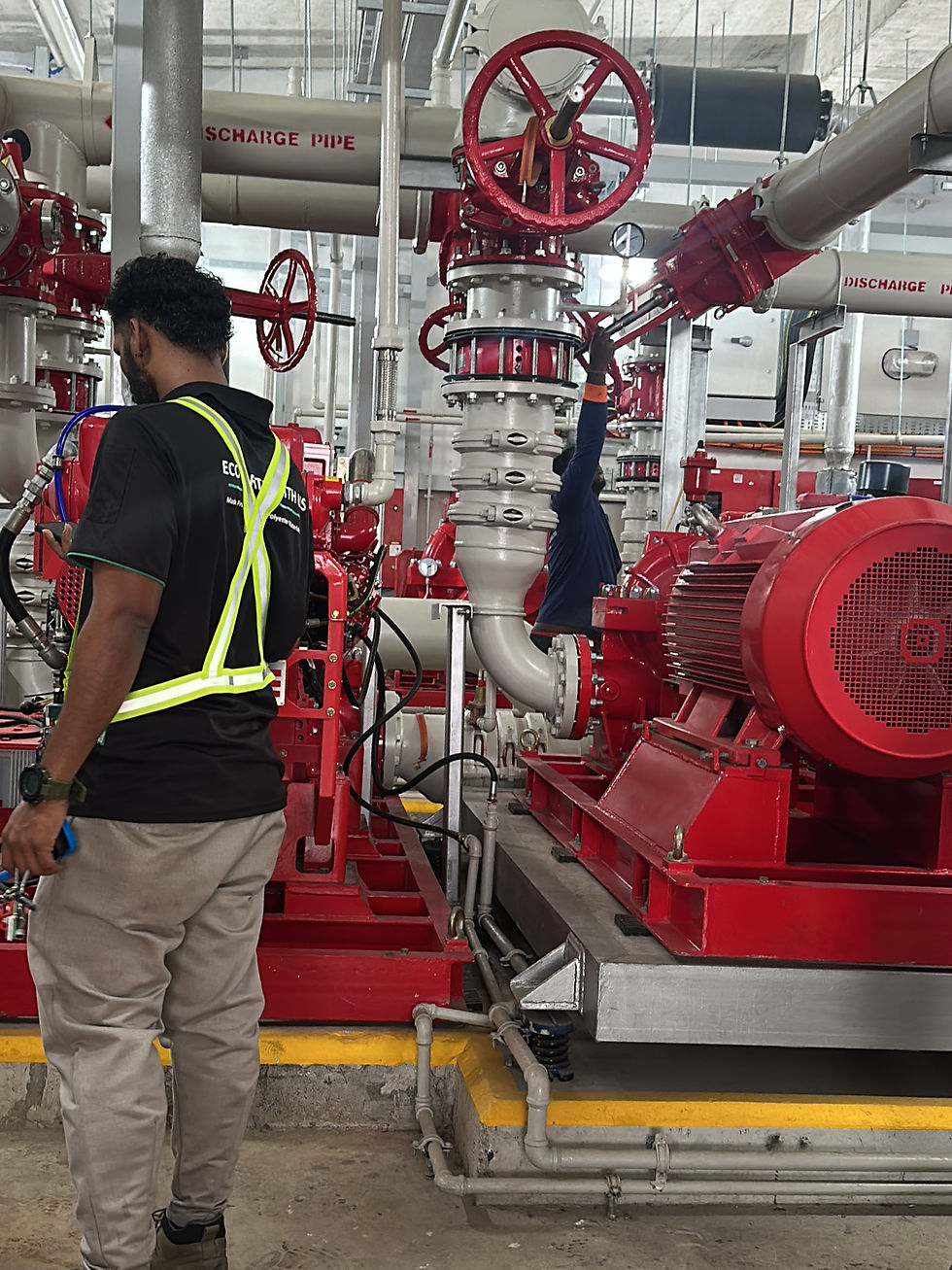
Coordinated M&E design ensures proper integration of exhaust, fire suppression, and ventilation systems.
The Role of Proper M&E Design
Effective fire safety in commercial kitchens requires a coordinated approach to system design.
This includes:
exhaust and ventilation design
fire suppression system integration
coordination between mechanical, electrical, and fire systems
When these elements are considered early in the project:
fire risks can be significantly reduced
compliance with regulatory requirements is smoother
system performance is more reliable
As an M&E consultant in Singapore, this coordination is critical to ensuring safe and functional kitchen operations.

A well-designed commercial kitchen with properly integrated systems improves safety, performance, and compliance.
❓ FAQ
What causes kitchen fires in Singapore?
Grease buildup inside exhaust ducts is one of the most common causes of kitchen fires in commercial kitchens.
Do commercial kitchens need fire suppression systems?
Yes, properly designed fire suppression systems are essential for early detection and control of kitchen fires.
How can kitchen fire risks be reduced?
Kitchen fire risks can be reduced through proper system design, regular maintenance, and coordination between exhaust and fire protection systems.
📌Summary
The most common hidden fire risks in commercial kitchens include:
grease accumulation in exhaust ducts
inadequate fire suppression systems
poor coordination between systems
These risks can be significantly reduced through proper M&E design and early planning.

Planning a Commercial Kitchen in Singapore?
Ensuring fire safety in a commercial kitchen involves more than equipment selection. It requires proper system design, integration, and coordination.
As an M&E consultant in Singapore, we support:
kitchen exhaust and ventilation design
fire suppression system integration
compliance with authority requirements
👉 Get in touch to discuss your project:
About Conceptial
Conceptial is a Singapore-based M&E consultancy specialising in system design, coordination, and authority submissions across commercial, residential, and infrastructure projects.
Learn more about MEP Consultant Singapore and how early engineering planning can reduce project risks.

Comments