
Not Every Shophouse Can Become a Hotel: 4 Critical Checks Before Signing a Lease in Singapore
Thinking of Converting a Shophouse into a Hotel?
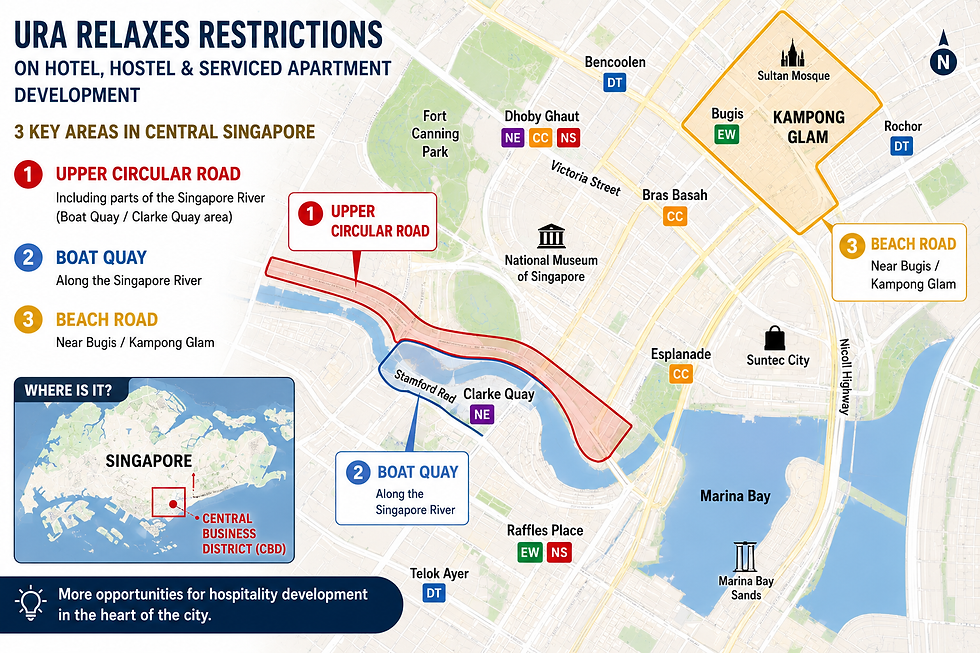
Recent announcements regarding hospitality developments in selected heritage districts such as Upper Circular Road, Boat Quay and Beach Road have generated significant interest among property owners, investors and hospitality operators.
With new opportunities emerging for hotels, hostels and serviced apartments, many business owners are exploring whether a shophouse could be their next hospitality project.
However, one common misconception is that every shophouse can automatically be converted into a hotel.
The reality is very different.
Before signing a lease or purchasing a property, it is important to understand that planning approvals, conservation requirements, fire safety regulations and building services constraints can all affect whether a project is feasible.
In this article, we explore four critical checks every property owner should perform before committing to a hotel conversion project in Singapore.
1. Check the URA Planning Requirements First
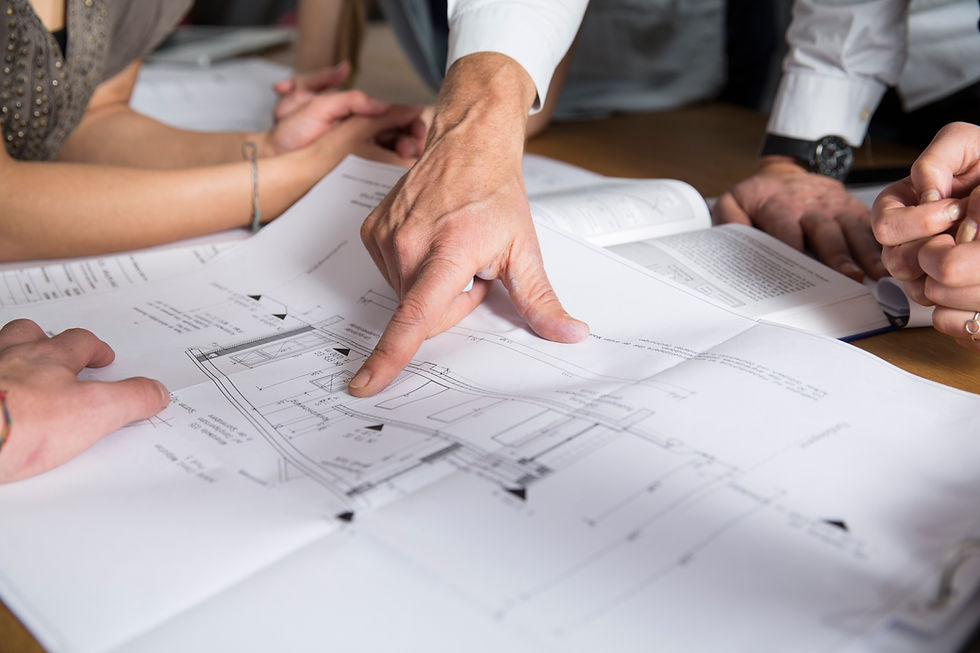
The first step is to determine whether the proposed hospitality use may be supported for the property.
Many owners make the mistake of assuming that because a district has been identified for potential hospitality developments, every building within that area can be converted.
This is not necessarily the case.
Property owners should review the property's planning information and understand whether the intended use:
May be considered
Requires further assessment
Is not currently supported
Early planning checks can help identify potential issues before significant investments are made.
2. Understand Conservation Requirements
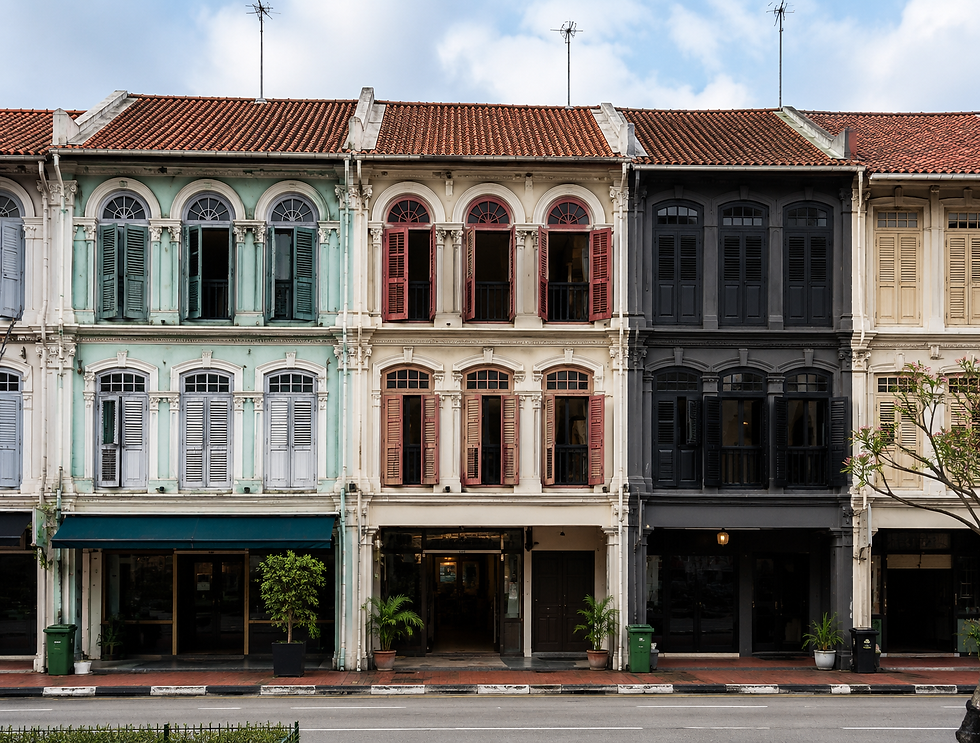
Many shophouses in Singapore's heritage districts fall within conservation areas.
These buildings are important parts of Singapore's architectural heritage and are subject to conservation guidelines.
Depending on the property, requirements may apply to:
Building facades
Roof profiles
Architectural features
Internal conservation elements
Owners should understand these requirements before developing renovation concepts or committing to tenancy agreements.
Ignoring conservation requirements can result in redesigns, delays and additional costs later in the project.

3. Assess Fire Safety Requirements Early
Fire safety is often one of the most significant challenges in hospitality conversion projects.
A building originally designed for retail, office or commercial use may require substantial upgrades when converted into a hotel or hostel.
Key considerations may include:
Means of escape
Exit staircases
Occupant load
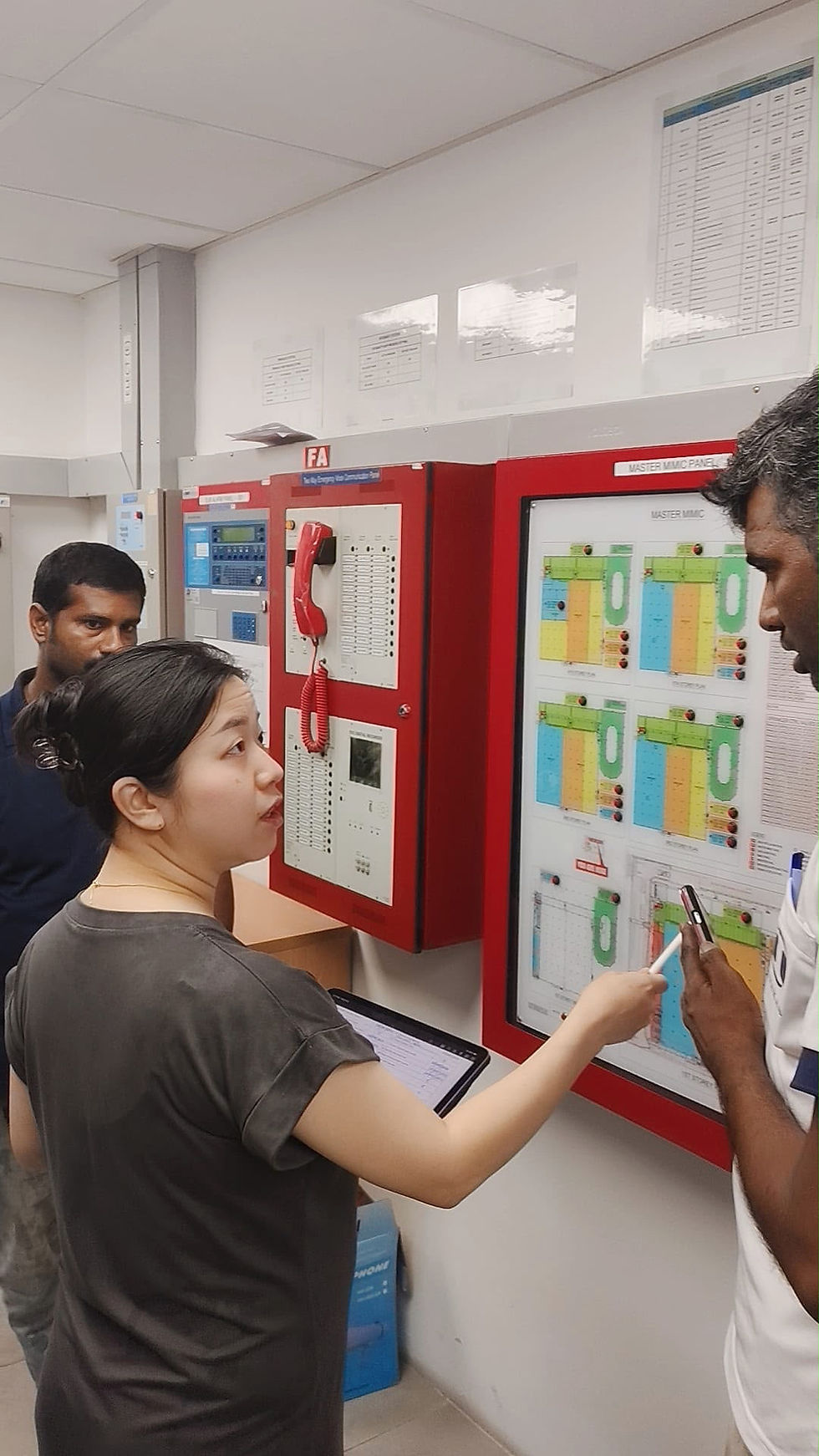
Fire alarm systems
Emergency lighting
Fire protection provisions
The exact requirements will depend on the building layout, occupancy and proposed use.
Many owners only discover these challenges after signing a lease, resulting in unexpected costs and delays.
4.Evaluate M&E Feasibility
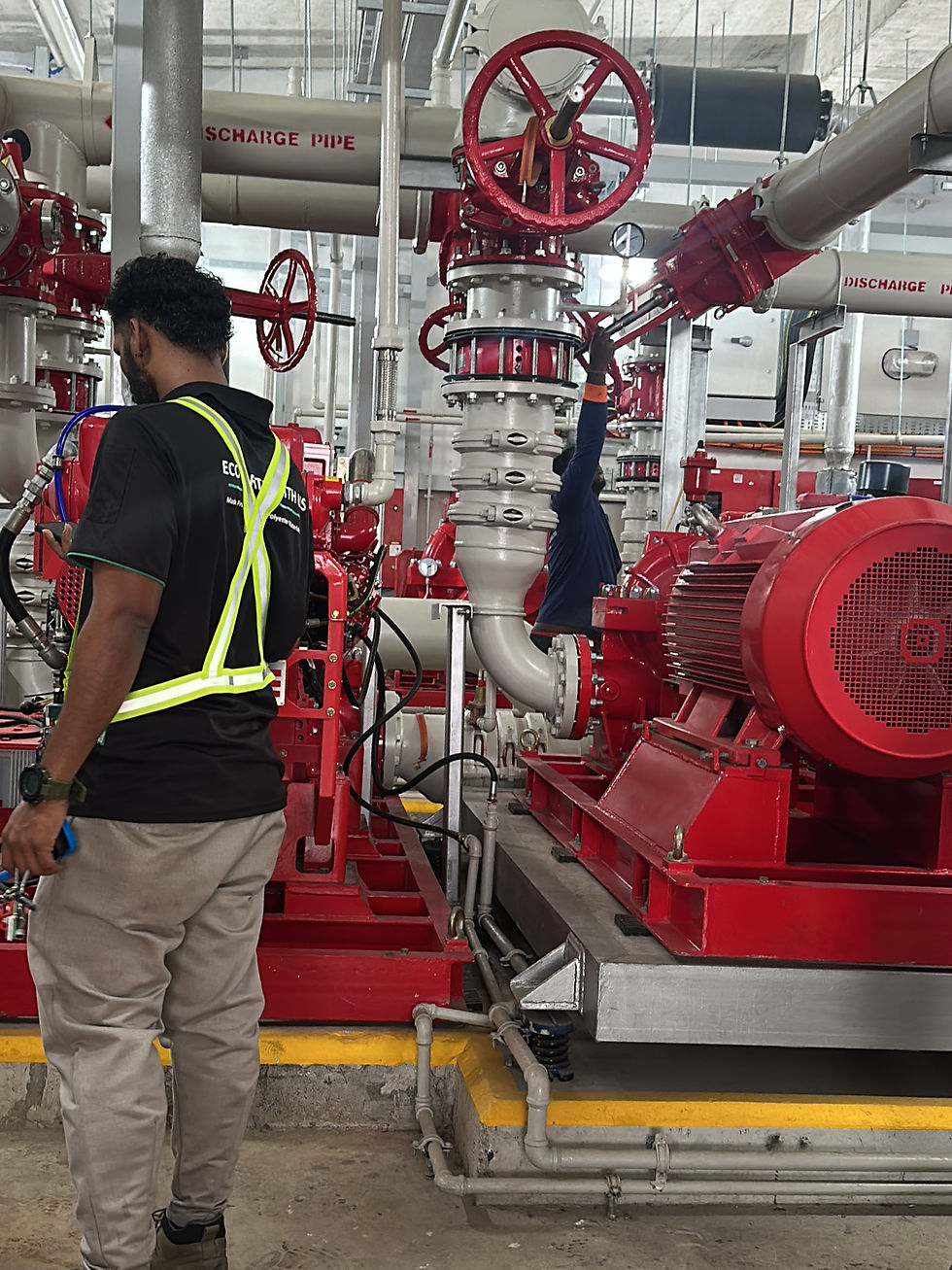
Mechanical and Electrical (M&E) systems play a critical role in determining whether a hospitality project is practical and commercially viable.
Questions to consider include:
Can the building support additional air-conditioning demand?
Is there adequate ventilation capacity?
Are plumbing and sanitary systems sufficient?
Can the electrical infrastructure support hotel operations?
Is there adequate space for new building services installations?
Older buildings were often designed for different occupancy profiles and operational requirements.
A detailed M&E assessment can identify technical constraints before costly commitments are made.

Why a Feasibility Study Matters
One of the most effective ways to reduce project risk is to conduct a feasibility study before signing a lease or purchasing a property.
A feasibility study can help owners understand:
Planning constraints
Conservation considerations
Fire safety implications
M&E requirements
Potential project costs
Approval risks
Project timelines
This allows better decision-making and helps avoid costly surprises later in the development process.
The recent hospitality opportunities in selected heritage districts are certainly encouraging for property owners and investors.
However, successful hotel conversion projects require much more than identifying a suitable location.
Understanding planning requirements, conservation obligations, fire safety regulations and M&E feasibility at an early stage can significantly improve project outcomes.
Before committing to a property, it is worth investing time in understanding whether the building can realistically support your intended use.

At Conceptial, we assist property owners, developers and operators with feasibility studies, M&E consultancy and authority submissions for hospitality developments in Singapore.
If you are considering a hotel, hostel or serviced apartment project, our team would be happy to discuss your requirements.
Learn more about MEP Consultant Singapore and how early engineering planning can reduce project risks.
📞Contact us to discuss your project requirements.

Comments