
Understanding Factory-to-Dorm Conversions in Singapore
What Most Owners Assume
At the start of a project, many owners believe:
It’s simply a renovation exercise.
Changing the layout is sufficient.
Approvals are mainly documentation.
However, this assumption often leads to problems. A dormitory is not just a redesign of space — it is a change in building usage, which directly impacts system requirements and regulatory compliance.
Key Factors That Determine Project Success
A successful factory-to-dorm conversion in Singapore depends on whether the underlying systems are properly planned.
1. Zoning and Land Use (URA / SMP)
The first and most critical check is whether dormitory use is permitted on the site. If zoning does not allow it:
Additional approvals will be required.
Project feasibility may be affected.
Timelines can be significantly extended.
2. Electrical Capacity and Load Planning
Dormitories introduce higher and more continuous electrical demand due to increased occupancy. Without proper planning:
Power supply may become unstable.
Frequent tripping can occur.
Upgrading systems later becomes costly.
Accurate load calculation and early planning are essential.
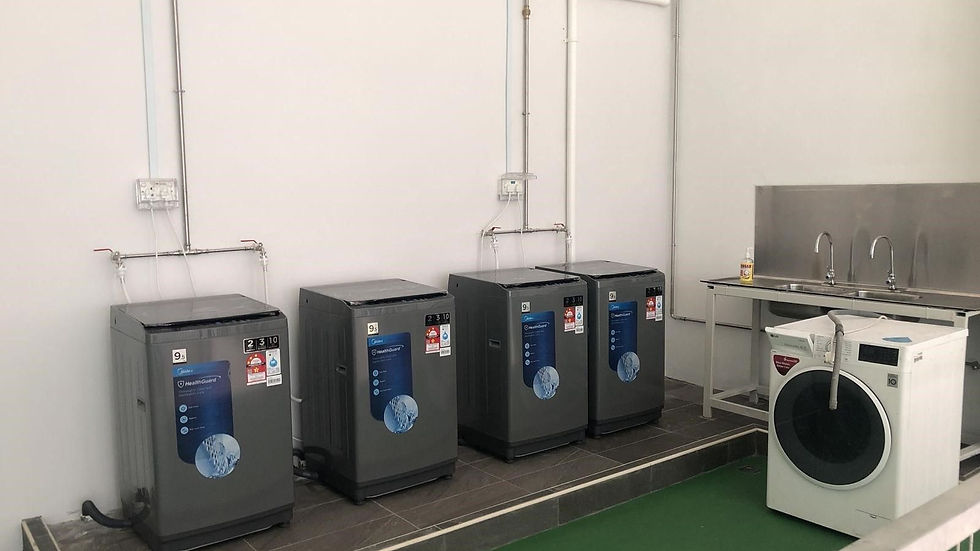
3. Water Supply and Sanitary Systems (PUB)
Higher occupancy increases demand on:
Water supply.
Drainage systems.
Sanitary discharge.
Common issues include:
Low water pressure.
Undersized piping.
Drainage overflow.
These issues often stem from insufficient system capacity rather than poor layout design.
4. Ventilation and Indoor Comfort
Even when compliance is met, poor ventilation design can lead to uncomfortable living conditions. This may result from:
Inadequate airflow distribution.
Underestimated heat load.
Insufficient fresh air provision.
Comfort must be designed intentionally from the beginning.
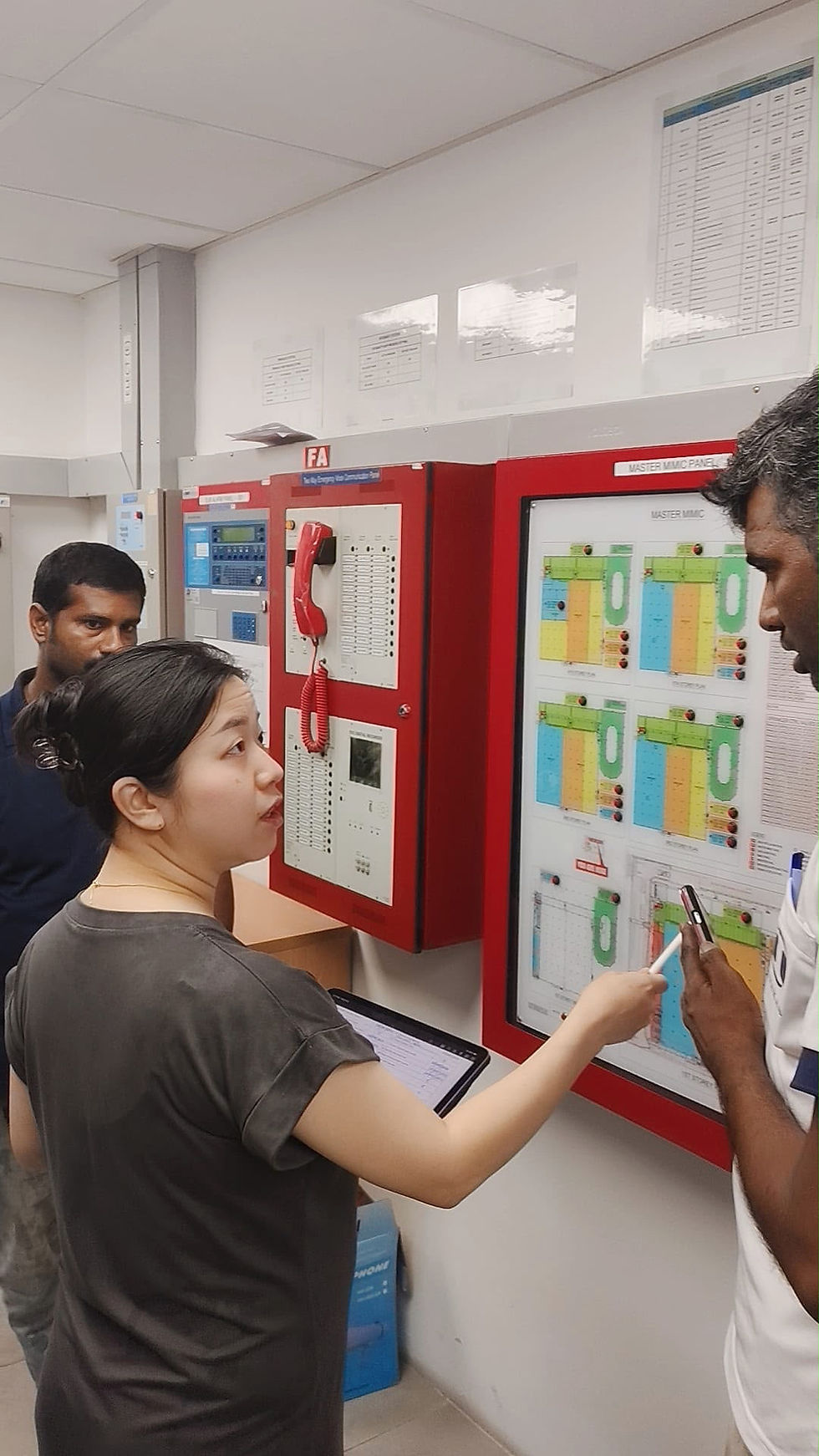
5. Fire Safety Requirements (SCDF)
When a building includes sleeping accommodation, fire safety requirements become more stringent. This may involve:
Automatic fire alarm systems.
Revised escape routes.
Stricter compliance standards.
Failure to account for these early often results in submission delays.
Common Mistakes in Factory-to-Dorm Conversions
Based on project experience, the most frequent issues include:
Proceeding without confirming zoning approval.
Underestimating system capacity requirements.
Prioritising layout over M&E planning.
Lack of coordination between design disciplines.
Assuming approvals are purely procedural.
One key issue stands out: addressing system problems only after construction begins. At that stage, rectification becomes significantly more complex and costly.

Recommended Approach
To ensure a smoother process, the following approach is recommended:
1. Start with Feasibility Assessment
Evaluate:
Zoning and land use.
Authority requirements.
Infrastructure capacity.
Before proceeding with design.
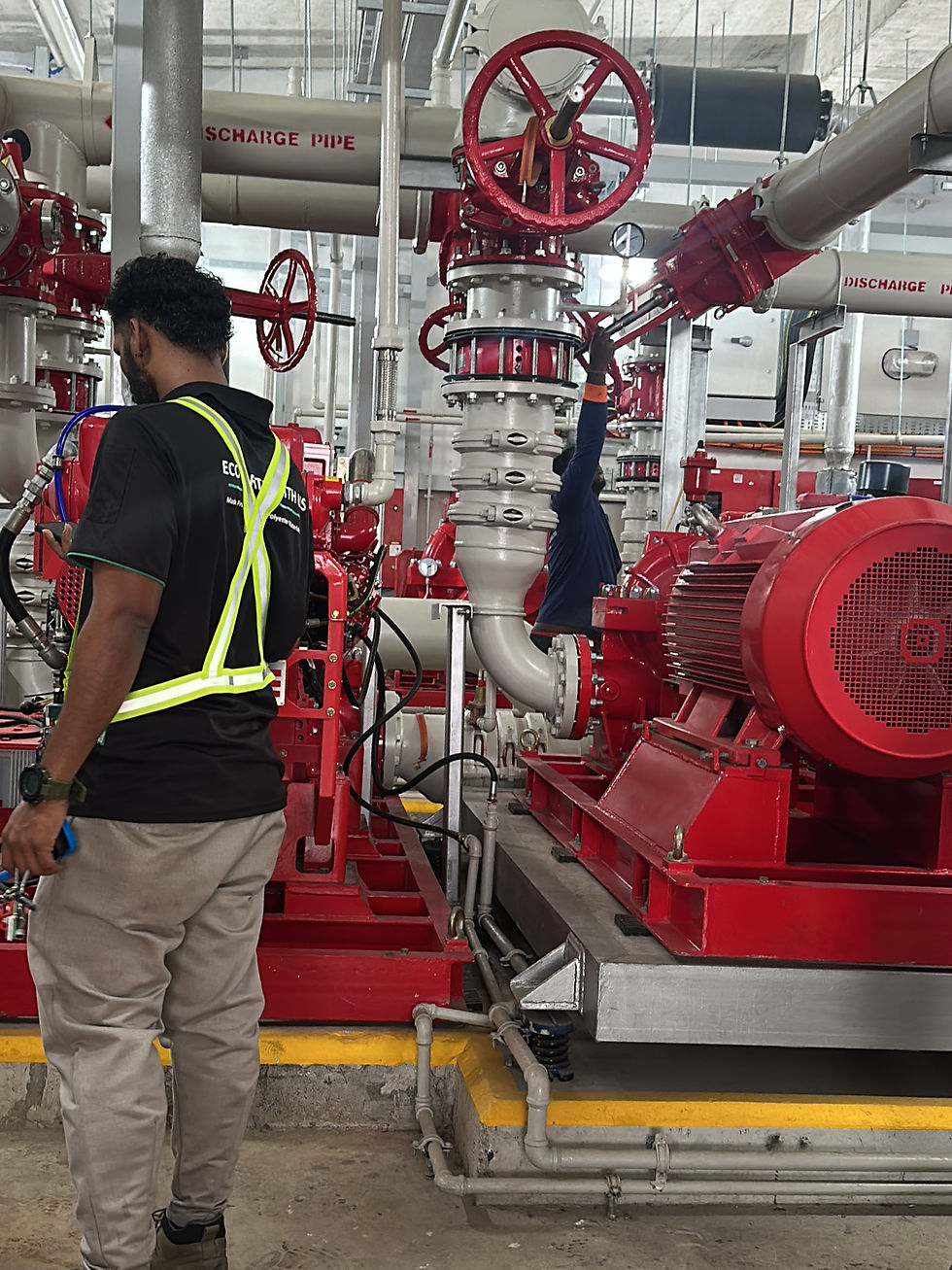
2. Plan M&E Systems Early
M&E systems should be integrated from the beginning of the design process. Buildings rely on systems to function effectively — not just layout.
3. Engage Authorities Early
Early coordination with:
URA.
PUB.
SCDF.
Can help reduce:
Approval delays.
Design revisions.
Unexpected costs.
Conclusion
A factory-to-dorm conversion may appear straightforward, but its success depends on detailed system planning and regulatory alignment. A well-designed dormitory is not defined by its layout alone — it must operate reliably on a day-to-day basis. This can only be achieved when M&E systems are considered from the outset.
Need Support for Your Project?
At Conceptial, we specialise in preparing regulator-ready M&E designs and documentation to support smoother approvals and project delivery. If you are planning a factory-to-dorm conversion in Singapore, early planning can make a significant difference.
We understand that the phrase "M&E systems" is crucial for your project. It encapsulates the essence of our approach. Let's work together to ensure your project meets all necessary standards efficiently.
Learn more about MEP Consultant Singapore and how early engineering planning can reduce project risks.

Comments